Improvement bonds released phase by phase
Municipal-improvement, subdivision, site-plan and maintenance bonds tied to the local planning-board review cycle. We calendar every partial-release milestone so capital stops sitting tied up as soon as the engineer signs off.
Where each bond enters the approval cycle
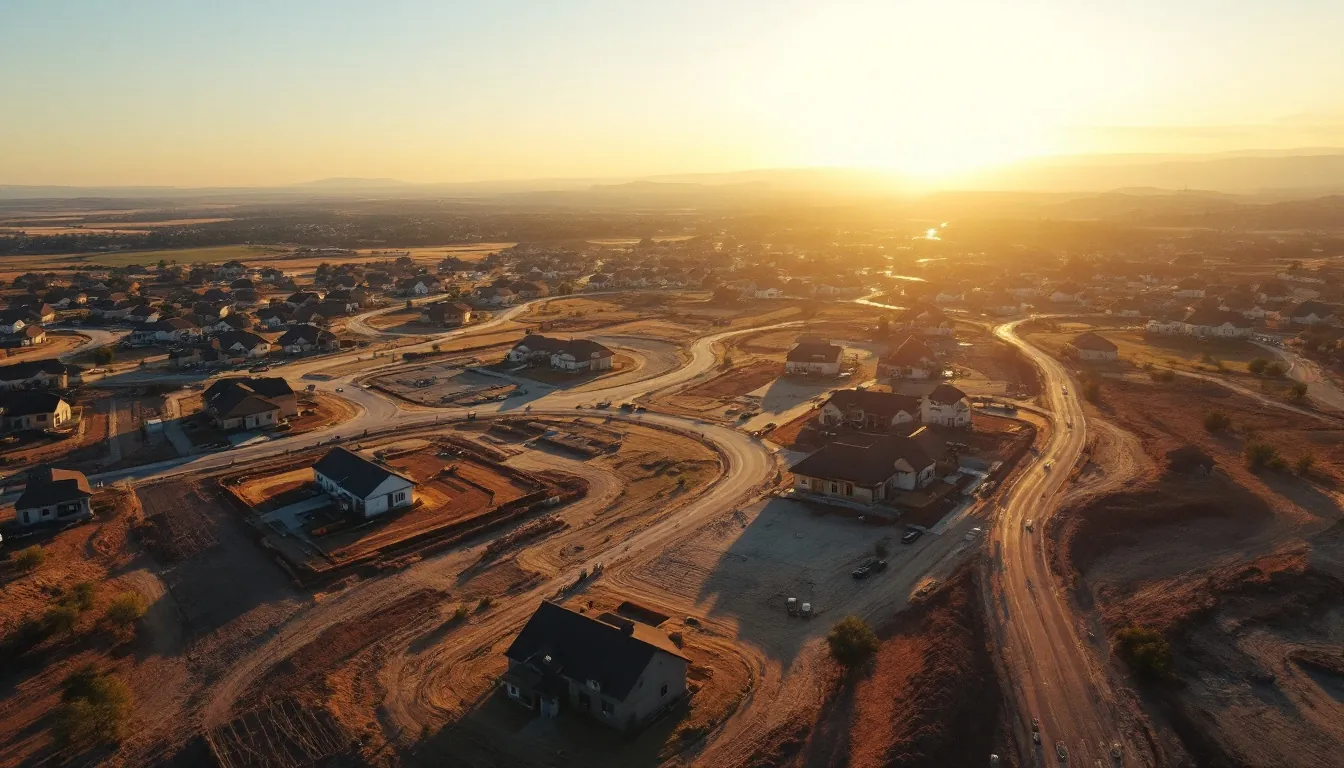
Municipal planning boards approve subdivision and site-plan applications subject to conditions: the developer will build the roads to code, install the utilities to the utility authority's specs, complete the drainage and stormwater management, and set up the landscaping and public amenities. To make those conditions enforceable, the board requires bonds. If the developer walks away or fails to complete a required improvement, the municipality can call the bond and use the proceeds to finish the work itself. That's what the bond is for.
The specific bonds vary — some municipalities collect a single lump-sum performance bond covering all improvements; others break the requirement into a road bond, a utility bond, a drainage bond and a landscaping bond. The bond amount is usually the engineer's cost estimate for the remaining work, plus a contingency (10–25% is common).
Three bond types, three phases
Improvement / performance bond
Covers the developer's obligation to complete the on-site public improvements per the approved plans. In force from planning-board approval until the municipality accepts the work.
Site-plan bond
Covers on-site amenities where the municipality has a review interest — landscaping, lighting, sidewalks, parking-lot paving. Often filed at building-permit issuance.
Maintenance / warranty bond
Covers defects and settlement in the completed improvements for 1–2 years post-acceptance. Priced as a low-percentage extension of the performance bond.
How partial release and final acceptance work
Bond capacity is capital. The whole point of a phase-by-phase release schedule is that as the municipal engineer accepts completed work, the bond amount steps down — and the developer's aggregate bonded exposure drops correspondingly.
Partial release. Most municipalities allow the developer to request a partial release once a defined milestone is reached (roads paved and passing inspection; utilities tested and accepted by the utility authority; drainage completed and hydraulic tests filed). The request goes to the municipal engineer, who inspects and issues a release recommendation to the planning board. The planning board then formally reduces the bond amount, and we file the corresponding bond rider.
Final acceptance. When all improvements are complete and accepted, the performance bond fully releases and the maintenance bond takes its place. That's the point where the developer's construction-phase capital is fully freed.
The practical bit
Every municipal engineer has a rhythm — how they inspect, what they'll accept as a milestone, how quickly they turn release recommendations to the planning board. Developers who file bond releases the way the engineer prefers to see them move faster. We coordinate on the release paperwork so the engineer isn't chasing us for information, and we file the rider the same day the planning board acts. That's what a bond broker who does subdivision work every week brings to the file that a generalist won't.
Frequently asked questions
Good to KnowMost municipalities accept cash, an LOC, or a surety bond. Surety bonds are almost always the cheapest option because they don't tie up working capital or bank line.
The bond remains in force. If the delay is genuine and the developer is still active, most sureties will renew. If the project is abandoned, the municipality can call the bond to fund completion.
Priced as a percentage of the bond amount — typically 1–3% annually on standard credit, on graduated rate schedules for larger bonds.
Yes — the same day the planning board formally reduces the bond amount. We coordinate with the municipal clerk and the engineer to make sure paperwork lines up.
Send us the planning-board resolution
Send the planning-board resolution or the municipal engineer's improvement estimate, and we'll quote the bond within a business day.
- 201-661-2381 — Anthony Spina, direct line
- aspina@acsbonding.com
- 1200 MacArthur Blvd., Suite 302A, Mahwah, NJ 07430
Request received!
Anthony will be in touch shortly. For an urgent filing, call 201-661-2381.